Back to homepage
FRA INDUSTRIARBEID TIL SAMFUNNSØKONOMISK ANARKISME
FROM INDUSTRIAL LABOR TO SOCIO-ECONOMIC ANARCHISM
Anarkismens historie på Grünerløkka i Oslo - https://www.anarchy.no/lokka.html.
GENERAL INTRODUCTION - MOSTLY IN ENGLSH - THE ECONOMIC-POLITICAL MAP AND NORWAYS PLACE ON THE MAP = "ANARCHIST LIGHT"
Some time has passed on since the Norwegian People turned their back against the main economic political course of the marxist social democrat government, at the 1994 EU referendum. This was an anarchist "bottom - up" from the People, i.e. the grassroots, revolutionary change - against the Authorities, i.e. the Bureaucracy, broadly defined in both public and private sector. The "top - down" management of Gro Harlem Brundtland & Co. was crushed, and Norway became an Anarchy, i.e. of low degree. The megatrend of the late eighties and early nineties was a movement to the right and upwards on the Economical Political Map. The EU referendum and more direct actions indicated a further jump in this direction, and thus the economic political system in Norway made a revolutionary change, and passed the border between the marxist social democrat sector and the anarchist, i.e. liberal social-democratic - sector of social individualism. This of course is a major social event in the economic political world history. A long jump further rightwards may result in a liberalist system, and a reverse tendency may give a retardation to marxist social democracy, but this is not the case at the moment. Thus, Norway became an anarchy in 1994/95, and it still is an anarchist economic-political system, i.e. real democracy = liberal social democracy with a significant green tendency.
The Economic-Political Map
 "
"
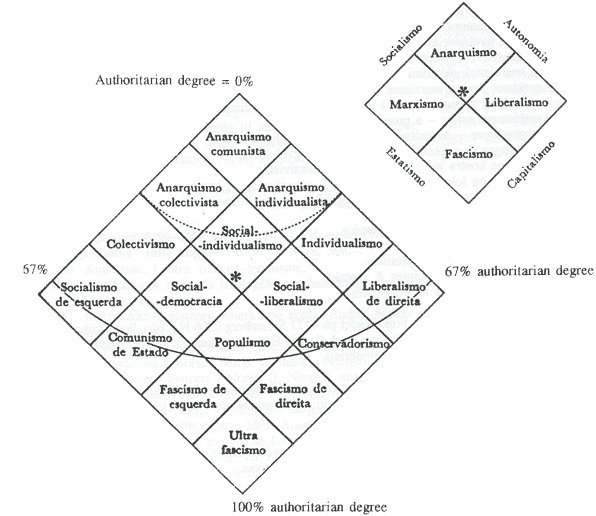
The Economic-Political Map
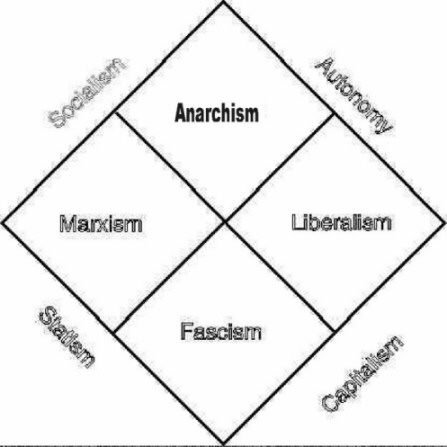
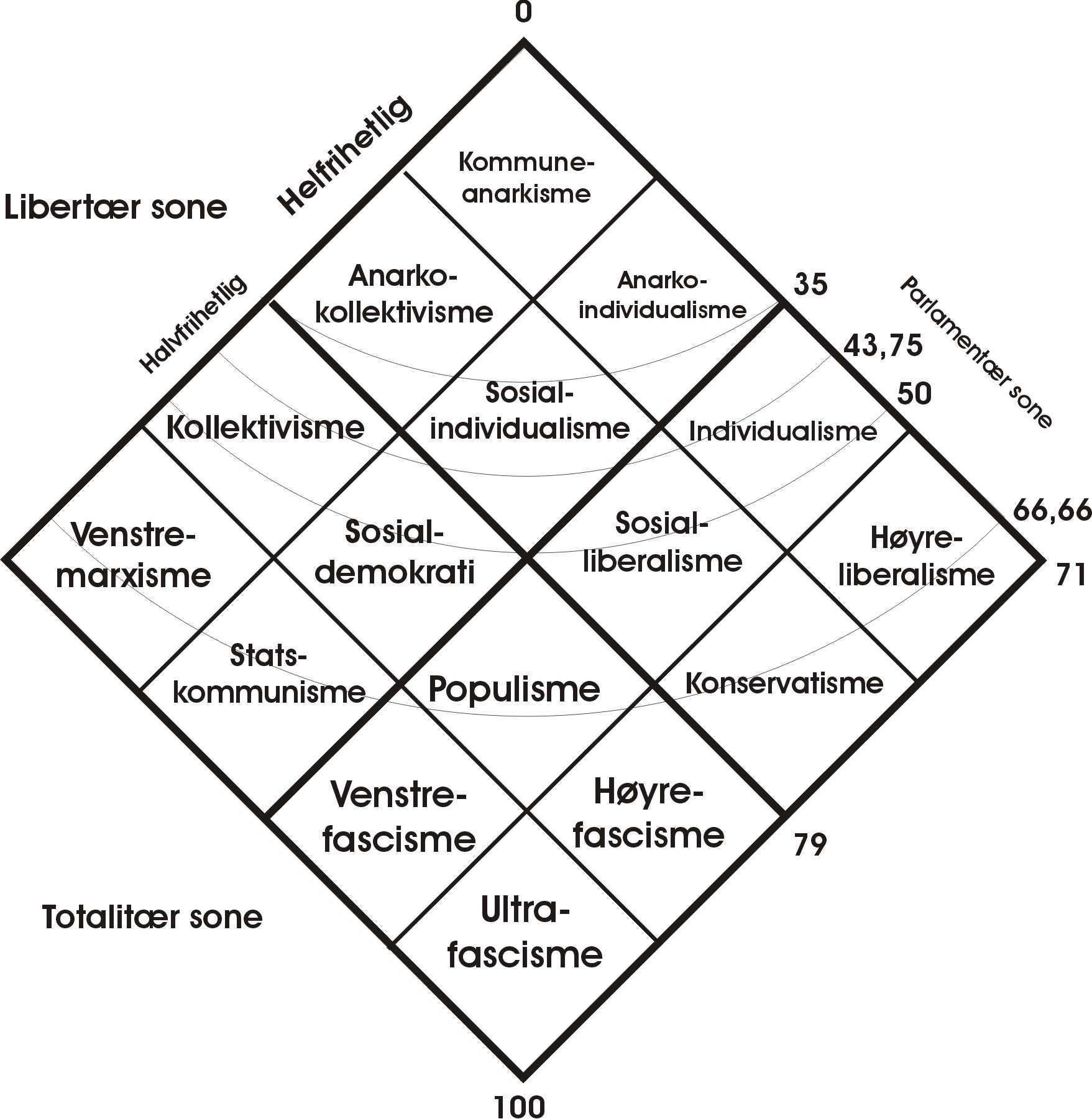
The anarchy degree is 100% - the authoritarian degree within the anarchist quadrant. "Esquerda" means left, and "direita" means right.
The star indicates the Norwegian economic-political system after the velvet anarchist revolution in 1994/95, i.e. "anarchist light". The anarchist ideal, i.e. real democratic ideal, is at the top of the map.
A mathematical precisation of the map is presented at the Formula of anarchism .
For practical statistical methods of estimation of the authoritarian degree etc. see the chapter V. B. at Economic-political Map,
We use the term semi-libertarian for all systems that are not totalitarian and are not anarchist.
Jens Hermundstad Østmoe alias Timian Sabatini's and Anna Quist's place on the economic-political map are in the Anarchist (= Liberal social-democratic) quadrant,
in the sector of Social-individualist anarchism, close to Collectivist Anarchism, also with a green and anarcho-syndicalist approach. Anna Quist also is a dedicated anarcha-feminist.
More about the Economic-Political Map
100% anarchism occupies the high-degree progressive peak of optimal authority and freedom.
Anarchism of lower degree is closer to the middle point. Conversely, ultra-authoritarian populism, fascism & ochlarchy including chaos, are grouped together at the lowest end of the spectrum.
(ANARCHISM – LIBERAL SOCIAL DEMOCRACY )
Optimal Law & Order / Real Democracy
|
|
[ STATE-SOCIALISM ] -------------------+--------[ PLUTARCHY / LIBERALISM ]
|
|
[ ULTRA-AUTHORITARIAN POPULISM ]
[ FASCISM / OCHLARCHY INCLUDING CHAOS]
Map Dimensions
Et hvert skift i et økonomisk-politisk systems koordinater på ØP-kartet er per definisjon en revolusjon. Revolusjoner kan være av varierende størrelse, noen små, og av og til noe større. Revolusjon står i motsetning til reform, som er økonomisk-politiske endringer uten skift i system-koordinatene, dvs. endringer innenfor systemets rammer, uten å gå utover disse.
Et hvert skift i et økonomisk-politisk systems koordinater på ØP-kartet skjer nesten alltid ved en kontinuerlig prosess via infinitesimale skift i systemets koordinater, som integreres dynamisk over tid, til et signifikant samlet skift i systemkoordinatene, dvs. til en signifikant revolusjon. NB! En serie usignifikante revolusjoner kan altså resultere etter en tid, i en samlet signifikant revolusjon. Er revolusjonen en bevegelse nedover på ØP-kartet, kaller man den også en kontra-revolusjon.
Revolusjoner kan også skje ved diskontinuerlige, eventuelt store - skift i system-koordinatene, uten at vi skal gå videre inn på dette her, utover å bemerke at slike ofte går fryktelig gærent, oftest på grunn av mangel på relevante oppfølgende organisasjons-strukturer.
GGS, The Green Global Spring Revolution, bl.a. støttet av GAIAN Freedomly Zen-Buddhists, andre frihetlige, Greta Thunberg & Co og flere, satser ikke på denne gærne strategien. Men på opplegget nevnt under «NB!» over, som skulle bli en suksess, forutsatt trigging av tilstrekkelige folkemasser til støtte for opplegget (til GGS). Og det må det bli i tide til å avverge full blown climate-crisis, with Ragnarokk = FULLT HELVETE PÅ GAIA, A.K.A. TELLUS OG JORDEN. (J-HØ)
Every shift in the coordinates of an economic-political system on the EP-map is by definition a revolution. Revolutions can be of varying size, some small, and sometimes somewhat larger. Revolution is opposed to reform, which is economic-political changes without a shift in the system coordinates, i.e. changes within the system's framework, without going beyond these.
Every shift in the coordinates of an economic-political system on the EP-map almost always occurs by a continuous process via infinitesimal shifts in the system's coordinates, which are dynamically integrated over time, to a significant overall shift in the system coordinates, i.e. to a significant revolution. NB! A series of insignificant revolutions can therefore result after some time, in an overall significant revolution. If the revolution is a downward movement on the EP-map, it is also called a counter-revolution.
Revolutions can also happen by discontinuous, possibly large - shifts in the system coordinates, without us going into this further here, beyond noting that such often go terribly wrong, most often due to a lack of relevant follow-up organizational structures.
GGS, The Green Global Spring Revolution, among others supported by GAIAN Freedomly Zen-Buddhists, other libertarians, Greta Thunberg & Co and more, does not bet on this wrong strategy. But on the scheme mentioned under "NB!" above, which should be a success, provided triggering of sufficient masses of people to support the scheme (of GGS). And that must be in time to avert full blown climate-crisis, with Ragnarokk = FULL HELL ON GAIA, A.K.A. TELLUS AND EARTH. (J-HØ)
Best regards and real democratic greetings from the networks of NØI-INDECO at www.indeco.no and IJOR/IIFOR at www.anarchy.no.
And thus, the Anarchy of Norway is still going strong. Although the system is significantly anarchist, i.e. within the Quadrant of Anarchism on the economic political map, it is somewhat far from the anarchist i.e. real democratic ideal on the top of the map. "So this is heaven: Norway", the LA-TIMES in USA reports about Norway, November 2001, but this is however a bit exaggerated; see American look at Norway - Report no 1, where the article is quoted, with comments from IIFOR added. Another American article on the situation in Norway, quoted from NY-TIMES January 2002, also with comments from IIFOR, is also included.
The main policy of the Anarchist International (AI/IFA = ANORG GLOBAl) and The Anarchist Federation of Norway (AFIN) was presented in the largest Newspaper in Norway, Verdens Gang 06.11.2001, p 39, see Anarchy is [real] democracy - article in VG. This article also states "Norway [as] a relatively anarchist country, however a bit far from the anarchist ideal (Norge som et relativt anarkistisk land, men nokså langt fra det anarkistiske ideal)."
In June 2002 a libertarian direct action against the World Bank's reactionary policy and the ABCDE-meeting, in Oslo, once more confirmed that anarchy is significantly on in Norway, see Direct action against the ABCDE-meeting and policy. Norwegian firms are more and more horizontally organized, according to Nordhaug and Gooderham at NHH (Dagsavisen 15 & 16.10.2004).
A degree of anarchism of ca 54%, as in Norway 2025 is as mentioned not a high degree of anarchism. This means the authoritarian degree is still ca 46%. If the libertarian degree is less than 50% there is no anarchy, i.e. real & green democracy, at all. About 54% anarchy degree is quite an accepted estimate. It is a.o.t. quoted in Dagens Næringsliv (the Industrial life of today, the main economical newspaper of Norway) no 2/3 June 2007 and Finansavisen (the Financial newspaper) Wednesday 17. October 2007, see anarchist articles in DN and Finansavisen.
30.05.2007. The Anarchy of Norway was rated as the most peaceful nation in the world, and since the middle of 1995 the country has also been ranked as the most democratic, libertarian and anarchist on planet Gaia, a.k.a. Tellus and Earth.
15.01.2010. Positive citizen survey: A nationwide citizen survey shows that 86 per cent of Norwegians think that their country is close to being a perfect country to live in.
02.11.2011. Flat hierarchy challenges new leaders. Norway's "flat, flat, flat" management hierarchy [i.e. not topheavy pyramid economically and/or political/adminstrative] poses a huge challenge for new leaders recruited from overseas. It can also explain why there's so few of them within the Norwegian business world. "Many leaders can feel so disrespected when they come to Norway," said Kimberly Lein-Mathisen, global alliance leader for the large US pharmaceutical company Eli Lilly. Everyone is equal, and employees are accustomed to being consulted on most matters, and having their say. Source: www.newsinenglish.no.
So called heaven or not, 54% anarchism is far from the 100% anarchist ideal, full democracy. Thus, it is plenty of room for improvement from anarchist & real democratic = liberal social democratic, perspective, and by no means time for a break in the fight against authoritarian tendencies. The revolution must be fought permanent, in the daily life, to sustain and develop further. However, as long as a) Norway stays out of EU, b) populist and nationalist tendencies are put at place, and c) the left and right tendencies outbalance each other reasonable as by now, Norway will probably stay anarchist and real & green democratic, liberal social democratic, and be a lighthouse for EU and the rest of the world. We call for anarchist, real & green democratic Bottom – Up actions to sustain and increase the degree of anarchy and democracy in Norway!
The Real & Green Democracy revolution in Norway and the Green Global Spring Revolution GGS. The veteran, (the girl friend of Timian Sabatini) eco-anarchist and anarcha-feminist Anna Quist from the Anarchy of Norway, is elected as the official spokesperson for the GGS. She was elected 28.09.2019 unanimously by the GGS/AI- secretariat in Oslo, the capital of Norway, a country in Northern Europe, and an Anarchy (of low degree) since the velvet anarchist revolution 1994/95, also with a significant green tendency. A.o.t. there is no significant coal problem in this country. The revolution started 28.11.1994 with the EU-referendum and more actions. The Anarchy of Norway is still going strong, and in 2019 The 25th anniversary of the anarchist revolution in Norway was celebrated world wide by Real and Green Democrats Thursday 28. November, the Day of the Anarchist Revolution in Norway. "The Real and Green Democracy Revolution in Norway is a significant inspiration for The Green Global Spring Revolution (GGS) because it demonstrates fully that 1. Anarchy, i.e.liberal social democracy including a significant green tendency, works, and 2. that the GGS may very well succeed world wide! But not without hard work and using all legal means and actions!" said Anna Quist, a 1. veteran Real and Green Democracy, i.e. Anarchist, activist since 1965, also 2. activist in the Norwegian anarchist, including green, revolution in 1994/95 and later, and 3. now and in the future official spokesperson for The Green Global Spring Revolution (GGS). Timian Sabatini is also a member and the main consultant for the GAIA & GGS.
JENS HERMUNDSTAD ØSTMOE ALIAS TIMIAN SABATINI FRA FABS - KORT HISTORIKK OM FORHOLDET TIL ANARKISTBEVEGELSEN.
Jens ble født i desember 1948 og allerede i 1964 hadde han frihetlige idéer i tilknytning til bandet sitt, som i 1965 fikk navnet FABS, siden kjent som det Føderalistiske Anarkistiske Beat Sambandet. I 1968 var Jens primus motor i arbeidet med FABS-filmen «Monter» og Kultursyndikatet. I 1977 var han blant initiativ makerne til dannelsen av Anarkistføderasjonen i Norge, ANarkistenes ORGanisasjon (AFIN/ANORG). Han har også blitt angrepet av og har sloss med nynazister, noe som går fram av et intervju med Østmoe i en artikkel i ukebladet Vi Menn, Nr. 27 – juli 1979. Han var også aktiv i fløyelsrevolusjonen i 1994/95, som gjorde Norge til et Anarki (av lav grad). Fra og med 1996 var han en vesentlig bidragsyter til Folkebladet/anarchy.no samtidig som han var primus motor i NØI-INDECO-OSE/indeco.no. Jens har vært aktiv til dags dato i en alder av 77 år (født 21.12.2948). Og fortsetter. Han har bl.a. skrevet artikkelen om Henrik Ibsens Ikke-stats teori i Folkebladet fra 1981.
JENS HERMUNDSTAD ØSTMOE ALIAS TIMIAN SABATINI FROM FABS - BRIEF HISTORY OF THE RELATIONSHIP TO THE ANARCHIST MOVEMENT.
Jens was born in December 1948 and already in 1964 he had libertarian ideas in connection with his band, which in 1965 was named FABS, since known as the Federalist Anarchist Beat Society. In 1968, Jens was the prime mover in the work with the FABS film "Monter" and the Culture Syndicate. In 1977, he was among the initiators of the formation of the Anarchist Federation in Norway, ANarkistenes ORGanisasjon (AFIN/ANORG). He has also been attacked by and has fought with neo-Nazis, which is clear from an interview with Østmoe in an article in the weekly Vi Menn, No. 27 – July 1979. He was also active in the Velvet Revolution in 1994/95, which turned Norway into an Anarchy (of a low degree). From and including 1996, he was a significant contributor to Folkebladet/anarchy.no at the same time as he was the prime mover in NØI-INDECO-OSE/indeco.no. Jens has been active to date at the age of 77 (born 21.12.1948). And continues. He a.o.t. wrote the article about Henrik Ibsen's Non-State Theory in Folkebladet from 1981.
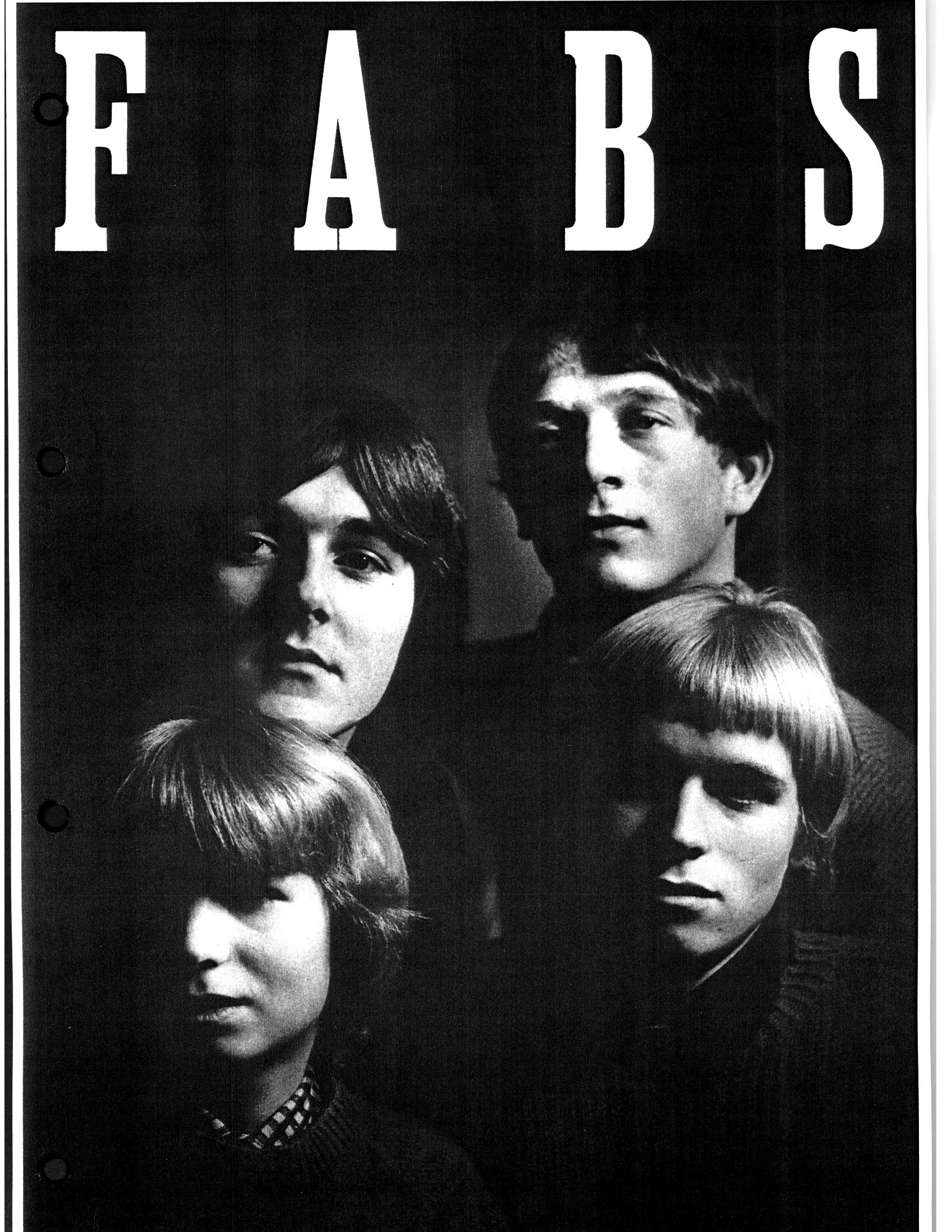
FABS ANNO 1967
ARCADIAN MUSIC PRODUCTION
JENS HERMUNDSTAD ØSTMOE ALIAS TIMIAN SABATINI NEDERST TIL HØYRE.
JENS HERMUNDSTAD ØSTMOE ALIAS TIMIAN SABATINI BOTTOM RIGHT.
More pictures of Timian Sabatini, see (click on):
Pictures of information secretaries - including Anna Quist and Harald Fagerhus - of the Anarchist International Information Service, AIIS, and more about the AIIS, etc.
Det anarkistiske (= liberale sosial-demokratiske) idealet - anarkistenes (de liberale sosial-demokratenes) langsiktige økonomisk-politiske mål!
AI-generated video about the 100% anarchist = real democratic, ideal. Click on: http://www.anarchy.no/anarchistideal.mp4
Det anarkistiske idealet er generelt et samfunn såvidt mulig innrettet etter anarkistiske prinsipper, som en ledestjerne for den økonomisk-politiske styringen m.v.. Prinsippene for det anarkistiske idealsamfunnet er: 100% sosialisme og autonomi i vid forstand, effektivitet (Pareto-optimalitet, også med hensyn på miljøfaktorer) og rettferdighet (ombyttekriteriet, at ingen vil bytte posisjon med noen annen, når alt kommer til alt), minimale rangs- og lønnsforskjeller - politisk/administrativt og økonomisk hierarki, herunder frihet (uten andres frihets berøvelse, slaveri og tyranni), likhet, solidaritet; sosial justis inklusive libertær (frihetlig) lov (vedtatt direkte av folket selv eller via delegater) og optimal orden, rettssikkerhet og menneskerettigheter, frie kontrakter (ikke slavekontrakter), frie initiativer, ateisme (anarkismen er et sekulært prosjekt, men innebærer full religionsfrihet), antimilitarisme (basert på gjensidig nedrustning og styrkebalanse), internasjonalisme (ikke overnasjonalisme, eller nasjonalisme), desentralisme, selvstyre og føderalisme (ikke hierarkisk, EU-aktig), selvforvaltning (autogestion) og frihetlig kommunalisme, dvs. beslutninger tas i hovedsak lokalt av de vesentlig og konkret berørte - fra enhver etter evne - til enhver i følge behov. Dette er essensen av «system og styring uten hersker og hersking» = an-ark-i. Dvs. reelt demokrati.
Den vanlige venstre vs. høyre dimensjonen alene er fullstendig utilstrekkelig til å gi et tilstrekkelig bilde av det økonomisk-politiske landskapet. Det todimensjonale økonomisk-politiske kartet som presenteres her gir et adekvat bilde av det økonomisk-politiske landskapet.
Frihet, det vil si graden av frihet, måles ved libertær-graden = 100 % - autoritær-graden. Den libertære graden = graden av demokrati. Frihet, er frihet uten å skade andres frihet, ikke frihet for andres regning, økonomisk og/eller politisk/administrativt, i vid forstand! Reell frihet = eller > 50 % libertært & demokratisk, dvs. både økonomisk og politisk/administrativ i vid forstand = anarki og anarkisme. Virkelig frihet = eller > 50% sosialisme & autonomi bredt definert = anarki og anarkisme. Reelt demokrati inkluderer alltid grønn politikk, det vil si betydelig. Ekte demokrati betyr at samfunnet skal styres og drives fra bunnen og opp, det vil si fra Folket – grasrota, og oppover, ikke fra toppen – ned, det vil si betydelig. Dette er ekte føderalisme. Dette er frihet i et samfunnsperspektiv.
The anarchist (= liberal social-democratic) ideal - the long-term economic-political goal of the anarchists (the liberal social-democrats)!
AI-generated video about the 100% anarchist = real democratic, ideal. Click on: http://www.anarchy.no/anarchistideal.mp4
The anarchist ideal is generally a society organized as far as possible according to anarchist principles, as a guiding star for the economic-political management, etc. The principles for the anarchist ideal society are: 100% socialism and autonomy in the broadest sense, efficiency (Pareto-optimality, also with regard on environmental factors) and justice (the exchange criterion, that no one will exchange positions with anyone else, after all), minimal rank and salary differences - political/administrative and economic hierarchy, including freedom (without deprivation of others' freedom, slavery and tyranny), equality, solidarity; social justice including libertarian (freedomly) law (adopted directly by the people themselves or via delegates) and optimal order, rule of law and human rights, free contracts (not slave contracts), free initiatives, atheism (anarchism is a secular project, but implies full freedom of religion), antimilitarism (based on mutual disarmament and balance of forces), internationalism (not supranationalism, or nationalism), decentralism, self-government and federalism (not hierarchical, EU-like), self-management (autogestion) and libertarian communalism, i.e. decisions are mainly taken locally by the significantly and concretely affected - from anyone according to ability - to anyone according to need. This is the essence of "system and governance without a ruler and ruling" = an-arch-y. That is real democracy.
The usual left vs. the right dimension alone is completely insufficient to provide an adequate picture of the economic-political landscape. The two-dimensional economic-political map presented here gives an adequate picture of the economic-political landscape.
Freedom, i.e. the degree of freedom, is measured by the libertarian degree = 100% - the authoritarian degree. The libertarian degree = the degree of democracy. Freedom, i.e. freedom without harming others' freedom, not freedom at others expence, economically and/or political/administrative, in the widest sense! Real freedom = or > 50% libertarian & democratic, i.e. both economic and political/administrative in the widest sense = Anarchy and Anarchism. Real freedom = or > 50% socialism & autonomy broadly defined = Anarchy and Anarchism. Real democracy always includes green policy, i.e. significant. Real democracy means society should be managed and run from the bottom up, i.e. from the People – grassroots, and upwards, not from the top – down, i.e. significant. This is real federalism. This is freedom in societal perspective.
Anarki = An-Ark-I betyr system og styring uten hersker(e), An = uten, Ark = hersker og I = system og styring, som i monark-i.
Det betyr ikke at systemet er uten topp og øvrighet, men at innflytelsen på styringen både politisk/administrativt og økonomisk, går mer nedenfra, fra Folket, grasrota, enn fra toppene, ovenfra og ned.
Anarchy = An-Arch-Y means system and governance without ruler(s), An = without, Arch = ruler and Y = system and governance, as in monarch-y.
It does not mean that the system is without a top and authority, but that the influence on governance, both politically/administratively and economically, comes more from below, from the People, the grassroots, than from the tops, from the top down.
Jens Hermundstad Østmoe alias Timian Sabatini has written about 90% of anarchy.no and indeco.no alone or together with others. Timian Sabatini is the main consultant to anarchy.no.
He has a.o.t. developed the liberal social democratic (= anarchist) Cogrips-model and -policy following up the works of economic Nobel Prize winners Ragnar Frisch and Trygve Haavelmo:
It's the ECONOMY stupid. Affordability is all about Cogrips-policy. The Summary of the Cogrips-model and -policy, see (click on): https://www.indeco.no/archive/samgrep3.htm.
Read it all including the stuff at the links.
Click on www.anarchy.no and www.indeco.no - also including the material on the links, to see more of his basic anarchist ideas. See also:
ANORG - ANarkistenes ORGanisasjon i Norden & Globalt, The ANarchists' ORGanization - ANORG - GLOBAL = AI/IFA & owner of the fb/IJOR-GROUP
The Anarchist International
world wide AI/IFA = ANORG GLOBAL & its secret intelligence organization the AISC
Frontkjemperne i den libertære kulturkampen. The frontline fighters in the libertarian cultural struggle:
FABS - The Federalist Anarchist Beat Society - The Fan Club - With links - playlists - to their 5 main albums on YOUTUBE
FABS - Det Føderalistiske Anarkistiske Beat Sambandet - Homepage - English and Norwegian texts, With links - playlists - to their 5 main albums on YOUTUBE and more
The Anarchist International Radio and TV - AIRTV
Riv ruskende galt fra Statistisk Sentralbyrå om verdiskapningen by (Oslo) kontra land
Timian Sabatini is a member of:
The International Workers of the World - The Anarcho-syndicalist section of AI
Anarkismens historie på Grünerløkka: Fra industriarbeid til samfunnsøkonomisk anarkisme.
Anarkismens historie på Grünerløkka i Oslo strekker seg over mer enn 140 år, tett flettet sammen med områdets fortid som en av landets tettest befolkede arbeiderbydeler. Siden Grünerløkka ble bygget ut med leiegårder for fabrikkarbeidere på slutten av 1800-tallet, har nabolaget fungert som en viktig grobunn for radikal arbeiderbevegelse, ungsosialisme og frihetlig organisering.
Nedenfor finner du en historisk oversikt over de sentrale anarkistiske og syndikalistiske miljøene på Grünerløkka, organisert etter epoker.
Slutten av 1800-tallet: Intellektuelle og tidlig arbeiderkamp
I takt med den industrielle revolusjonen langs Akerselva vokste det frem et sterkt behov for radikal samfunnskritikk forankret i folket.
Tidlig 1900-tall: Norges Social-Anarkistiske Forbund og syndikalisme
Dette er perioden hvor den frihetlige bevegelsen på Grünerløkka gikk fra å være en bred, ideologisk strømning til å bli en organisert, rendyrket anarkistisk massebevegelse.
ANORG og Folkebladet på Grünerløkka
Da ANORG (Anarkistenes Organisasjon) ble stiftet i september 1977, markerte det starten på en ny og mer strukturert form for anarkisme i Norge. I 1979 overtok ANORG utgivelsen av det tradisjonsrike Folkebladet - Anarkistorganet.
Folkebladet – Anarkistorganet. Kort historikk:
"Balladen om Exterazy Grax" og FABS (1979)
Folkebladet-anarkismen markerte seg også sterkt i populærkulturen gjennom utgivelser som i dag står som historiske milepæler i norsk musikkhistorie.
FABS og FABS Eloi
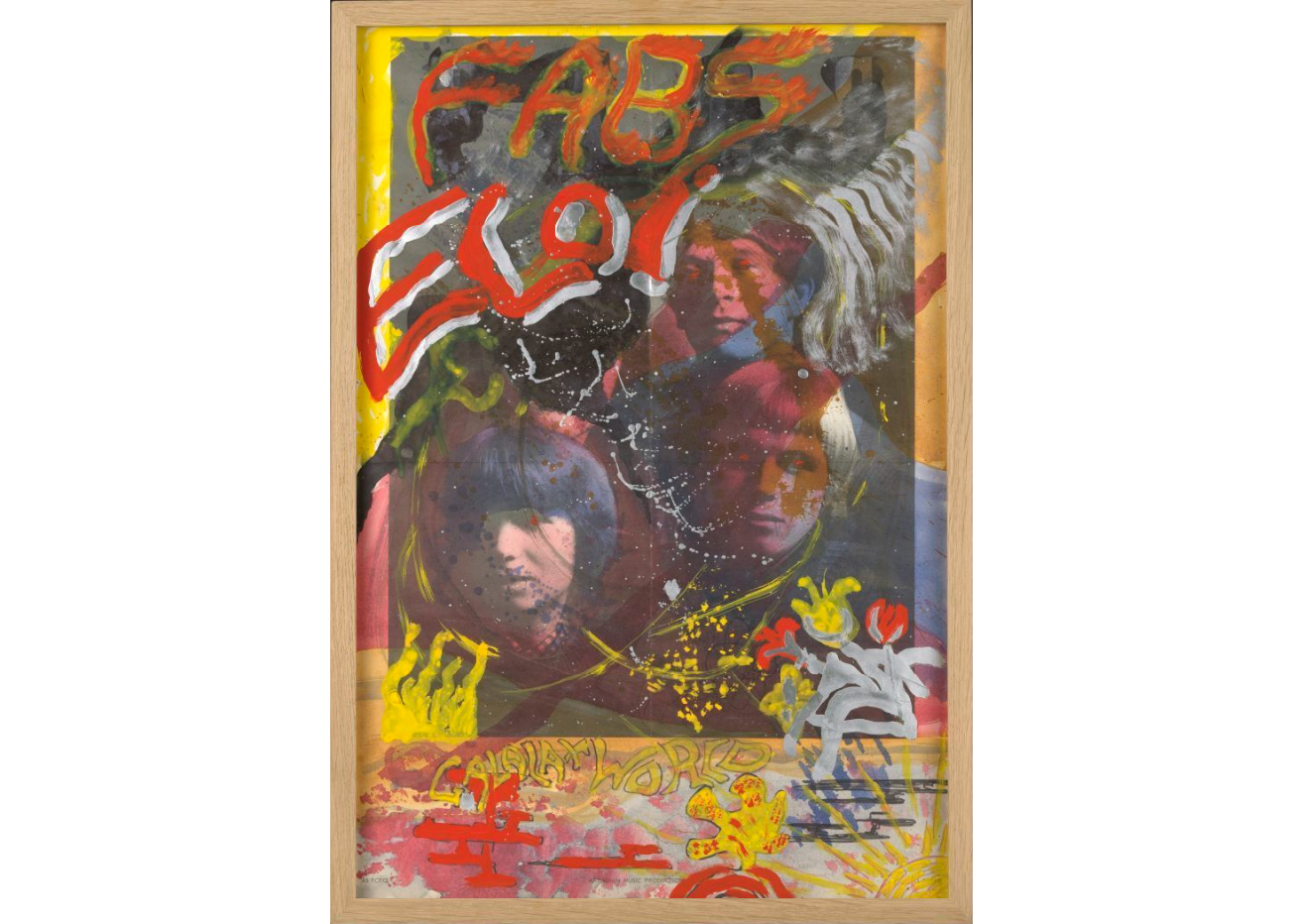
FABS hadde begynt å få spille-jobber over hele Østlandet, inklusive Oslo. Blant annet spilte FABS på Rondo i Oslo fredag 24.11.1967. I 1967-68 var FABS vel etablert som et progressivt rockband, og vi hengte på et Eloi etter FABS. Etternavnet Eloi henspeiler på et framtidsfolk fra H.G. Wells berømte sci-fi roman "Tidsmaskinen". Meningen var å indikere at vi lå noe foran vår tid når det gjaldt musikk. Mange kalte oss imidlertid fremdeles bare FABS, og etternavnet Eloi ble ikke brukt konsekvent. Nå har kanskje FABS endelig kommet mer i pakt med tiden. En plakat med FABS ELOI er permanent utstilt på Nasjonalmuseet. Plakaten er malt av Timian Sabatini, oppå den vanlige FABS-plakaten. Det var også noe grafikk inne i bildet. Se (klikk på) Plakat Nasjonalmuseet. Konsertserien gikk under det surrealistiske navnet GALQLAX WORLD, en forløper for Balladen om EXTERAZY GRAX, som ble navnet på en progpønk rock-opera som FABS senere, på 1970 tallet, fikk utgitt på vinyl som en EP, spilt av FABS med GRAXELAGET. Plakat for FABS ELOI fra Rondo 24.11.1967 - Se (klikk på) Plakat Rondo. Sounden og musikken lignet vel mest på en krysning av Jimi Hendrix, Cream og Doors, mest egen-komponerte låter ved Timian, og med en egen FABS-vri, som senere ble karakterisert som progpunk.
Spillejobber i Oslo på Club 7, Rondo, Poppy Club, Drop In, etc.
I 1967 og 1968 fikk FABS blant annet spillejobber i Oslo på Club 7, Rondo, Poppy Club og Drop In. FABS fikk flere fans bl.a. i Oslo, Moss, Vestby, Drammen og på Lillestrøm. FABS spilte også i Drammen, på åpningen av kjøpesenteret Giganten i Lillestrøm, og på flere av sosialøkonomenes studentforening Frederiks fester i Oslo. FABS var på denne tiden et populært prog-rock band først og fremst i Follo. I Oslo måtte vi finne oss i å stå lavere plassert i annonsene, men mange i prog-rock kretsene visste hvem vi var og hva vi sto for. Som et prog-rock band med en sound og stil i krysningspuktet mellom Jimi Hendrix, Cream og Doors, var det imidlertid klart at FABS appellerte til et begrenset publikum. Folk flest hørte heller på Vanguards "Mot Ukjent Sted" og soul som Four Tops, Supremes og Otis Redding, foruten Rolling Stones og Beatles. FABS markerte seg imidlertid sterkt innenfor prog-rock-publikumet. Fanklubben til FABS hadde også et tilsig av jenter fra Oslo, og flere medlemmer i bandet var sammen med Oslo-jenter.
PS. I tilknytning til Anarkismens historie på Grünerløkka i Oslo, kan det nevnes at FABS spilte flere ganger på Grünerløkkas Folkets Hus. Knut Sabatini, tromissen i FABS, bodde en tid i Schleppegrellsgate 17, nær Dælenenga idrettsplass, på Grünerøkka. Han ble hyppig besøkt av Timian, som i 1980 også var primus motor for ANORGs første kongress. Den ble avholdt i ANORGs lokaler i et arbeidskollektiv i Helgesensgate og med stands med videre i Sofienbergparken utenfor lokalet - altså på Grünerøkka. I 1985 flyttet Timian Sabatini med familie til Stolmakergt. 9 A, også på Grünerløkka. Han bidrar aktivt til anarkismen på Grünerløkka også i dag. Det samme gjør kjæresten hans anarka-feministen Anna Quist, som også bor i Stolmakerg. 9A og altså er aktiv i anarkistbevegelsen. Det var og er også flere aktive anarkister med tilknytning til Løkka, og sammen utgjør de en de facto og uformell Grunerløkkas Anarkistiske Føderasjon.
Prof. Dr. Jens Hermundstad Østmoe og NØI
En av de mest markante skikkelsene i dette spesifikke miljøet er sosialøkonom, samfunnsøkonom og akademiker Jens Hermundstad Østmoe.
Det teoretiske rammeverket: Styringsmodellen til ANORG og J-HØ
ANORGs og J-HØs bidrag til anarkismen ligger i en kort og stringent samfunnsøkonomisk tilnærming til storskalastyring, i skarp opposisjon til teknokrati og rådsmarxisme.
Kan Deichman på Schous plass bli et senter for Anarkismens historie på Grünerløkka i Oslo?
Vi ønsker det og kommer til å donere alle publikasjoner som er pliktavlevert til Nasjonalbiblioteket, også til Deichman på Grünerløkka i den nærmeste fremtid.
Mvh Anarkistisk Universitetslag/PGU, Web: https://www.anarchy.no/au.html.
PS. Mer informasjon, se (klikk på): www.anarchy.no og www.indeco.no. Les alt, inkludert stoffet på linkene!
PPS. Fredag 18. september 2026 nøyaktig kl. 16.00 oppsøkte en delegasjon bestående av en representant fra Anarkistisk Universitetslag (AU), en fra NØI-INDECO-OSE og en uavhengig person Deichman Grünerløkka på Schous plass. De ansatte ved biblioteket godtok donasjon av musikk-plater, og delegasjonen overleverte to eksemplarer av den historiske Graxeplaten (Balladen Om Exterazy Grax fra 1979) og to eksemplarer av cd-en Anarki i Norge . De ansatte nektet imidlertid å ta imot tidsskriftet International Journal of Anarchism (IJ@) No 2(35) og andre skriftlige publikasjoner foreløpig.
SAMMENDRAG AV ANARKISMENS HISTORIE PÅ GRÜNERLØKKA: FRA INDUSTRIARBEID TIL SAMFUNNSØKONOMISK ANARKISME
Første del: Det økonomisk-politiske kartet og systemstatus
Dette avsnittet etablerer det teoretiske og praktiske fundamentet for systemet. Norges økonomisk-politiske koordinater ble radikalt endret ved EU-avstemningen i 1994, og påfølgende direkte aksjoner, som beskrives som en anarkistisk «bunn-opp»-revolusjon fra folket og grasrota mot øvrighetens og Gro Harlem Brundtlands «topp-ned»-styring. Norge krysset dermed grensen fra marxistisk sosialdemokrati og inn i den anarkistiske, liberal-sosialdemokratiske sektoren for sosial individualisme. Systemet defineres som et «Anarchist Light»-system med en anarkigrad anslått til ca. 54 % i 2025, hvilket betyr at innflytelsen på styringen både politisk/administrativt og økonomisk, går mer nedenfra, fra Folket, grasrota, enn fra toppene, ovenfra og ned.
Dette systemet måles vitenskapelig på et todimensjonalt økonomisk-politisk kart der den vertikale aksen representerer frihets- og demokratigraden, mens den horisontale aksen blant annet måler den økonomiske distribusjonen og representerer den tradisjonelle venstre vs høyre aksen i den politiske økonomien. Det anarkistiske idealet ligger på 100 % på toppen av kartet, kjennetegnet av system og styring uten hersker og hersking, optimal orden, rettssikkerhet, Pareto-optimalitet og minimale lønns- og rangsforskjeller. I kontrast til dette plasseres autoritær populisme, fascisme og oklarki på bunnen av kartet. Dette teoretiske rammeverket, herunder The Green Global Spring (GGS) som ledes av talsperson Anna Quist for å avverge klimakrisen i tide, er i stor grad utarbeidet og skrevet av Jens Hermundstad Østmoe (alias Timian Sabatini), som har stått sentralt i den norske anarkistbevegelsen helt siden 1964/65.
Andre del: Lokalhistorien på Grünerløkka, FABS og Deichman-donasjonen
Anarkismens historie på Grünerløkka i Oslo strekker seg over mer enn 140 år og har dype røtter i industriarbeidermiljøet langs Akerselva fra slutten av 1800-tallet. Den ideologiske linjen strekker seg fra det radikale bladet Fedraheimen (1877–1891) under anarkistene Rasmus Steinsvik og Arne Garborg, via dannelsen av Norges Ungsocialistiske Forbund i 1909, toppet av opprettelsen av det rent anarkistiske forbundet Norges Social-Anarkistiske Forbund i mars 1923. Dette forbundet rekrutterte tungt blant unge tekstil-, jern- og metallarbeidere på Grünerløkka, og kjempet for arbeiderstyring gjennom direkte aksjoner på arbeidsplassene, organisert via samorganisasjonene og de anarkistiske avisene Storm og Alarm.
En ny og mer strukturert form for anarkisme startet i september 1977 med stiftelsen av Anarkistenes Organisasjon (ANORG). ANORG overtok i 1979 utgivelsen av det tradisjonsrike Folkebladet – Anarkistorganet. Bladet ble opprinnelig startet i 1971 av en gruppe frihetlige sosialister på Blindern ved Universitetet i Oslo, med Andreas Hompland som en av de sentrale initiativtakerne, før det i perioden 1973–1975 ble det offisielle organet for Føderasjonen av anarkister og frihetlige sosialister (FAFS). I 1976 fungerte bladet som organ for Kultursyndikatet i forbindelse med utgivelsen av FABS-låten «Book Of Love» (der boken eksplisitt ble oppgitt å være Kropotkins «Gjensidig hjelp»), før det i 1977–1978 var en del av ANORGs medlemsblad «Svarte Emma» frem til de egne utgivelsene gjenoppsto i 1979 med et opplag på opp til 4 000 eksemplarer.
Fra og med 1984 ble bladet også utgitt under tittelen International Journal of Anarchism (IJ@). Ansvarlig redaktør Harald Fagerhus står sentralt i forvaltningen av publikasjonen via postboks Sofienberg 4777, og han har hatt en sterk lokal yrkesmessig tilknytning til bydelen som konsulent ved NAV-Grünerløkka. ANORG har markert seg aktivt i bydelens offentlige rom gjennom stands og rødsvarte anarkistflagg i Birkelunden ved Spaniamonumentet. Særlig viktig er den samfunnsøkonomiske styringsmodellen (Samgrepsmodellen eller Cogrips), utviklet av Jens H. Østmoe i tråd med nobelprisvinnerne Ragnar Frisch og Trygve Haavelmo. Modellen er utarbeidet ved Næringsøkonomisk Institutt (NØI-INDECO-OSE) lokalisert til Stolmakergata 9A og gir det vitenskapelige grunnlaget for et samfunn der Folket har en signifikant innflytelse på lik eller mer enn 50 % over de samfunnsmessige beslutningene, og der miljøomstillingen styres direkte gjennom det frie prissystemet ved å internalisere negative eksternaliteter gjennom grønne skatter.
Kulturfronten ble anført av prog-pønk bandet FABS (Det Føderalistiske Anarkistiske Beat-Sambandet), opprinnelig startet som The Spiders i 1964. Under navnet FABS Eloi spilte de i 1967–1968 på kjente Oslo-scener som Club 7, Rondo, Poppy Club, Drop In og flere ganger på Grünerløkkas Folkets Hus. Trommeslager Knut Sabatini bodde i Schleppegrellsgate 17, og i 1980 var Timian Sabatini primus motor for ANORGs første kongress som ble avviklet i ANORGs lokaler i et arbeidskollektiv i Helgesens gate og med stands i Sofienbergparken. I august 1979 fikk de utgitt anarkopønk-operaen «Balladen Om Exterazy Grax» på vinyl som en EP (Folkebladet Pønk Spesial #2/3), som regnes som Norges første punksingel med landsdekkende distribusjon. En plakat for FABS ELOI er i Nasjonalmuseets samlinger. Siden 1985 har Timian Sabatini og anarka-feminist Anna Quist bodd i Stolmakergata 9A, og de utgjør i dag en de facto og uformell Grünerløkkas Anarkistiske Føderasjon. For å foreslå et permanent senter for Anarkismens historie på Grünerløkka, oppsøkte en delegasjon fra AU, NØI og en uavhengig person Deichman Grünerløkka på Schous plass fredag 18. september 2026 kl. 16.00, hvor de overleverte musikk-plater bestående av to eksemplarer av Graxeplaten og cd-en Anarki i Norge, og leverte et formelt brev angående fremtidig mottak av de skriftlige publikasjonene og tidsskriftet IJ@ No 2(35) etter at de ansatte nektet å ta imot disse foreløpig.
SUMMARY OF THE HISTORY OF ANARCHISM IN GRÜNERLØKKA: FROM INDUSTRIAL LABOR TO SOCIO-ECONOMIC ANARCHISM
First Part: The Economic-Political Map and System Status
This section establishes the theoretical and practical foundation for the system. Norway's economic-political coordinates were radically changed by the 1994 EU referendum, and subsequent direct actions, which are described as an anarchist "bottom-up" revolution by the people and the grassroots against the authorities' and Gro Harlem Brundtland & Co.'s "top-down" management. Norway thus crossed the border from marxist social democracy into the anarchist, liberal social-democratic sector of social individualism. The system is defined as an "Anarchist Light" system with an anarchy degree estimated at ca. 54% in 2025, which means that the influence on governance, both politically/administratively and economically, comes more from below, from the People, the grassroots, than from the tops, from the top down.
This system is measured scientifically on a two-dimensional economic-political map where the vertical axis represents the degree of freedom and democracy, while the horizontal axis among other things measures economic distribution and represents the traditional left vs right axis in the political economy. The anarchist ideal rests at 100% at the top of the map, characterized by system and governance without a ruler and ruling, optimal order, rule of law, Pareto-optimality, and minimal salary and rank differences. In contrast to this, authoritarian populism, fascism, and ochlarchy are placed at the bottom of the map. This theoretical framework, including The Green Global Spring (GGS) led by spokesperson Anna Quist to avert the climate crisis in due time, is to a large extent prepared and written by Jens Hermundstad Østmoe (alias Timian Sabatini), who has been central to the Norwegian anarchist movement ever since 1964/65.
Second Part: Local History in Grünerløkka, FABS, and the Deichman Donation
The history of anarchism in Grünerløkka in Oslo spans more than 140 years and has dype roots in the industrial working-class environment along the Akerselva river from the late 1800s. The ideological line extends from the radical newspaper Fedraheimen (published 1877–1891) under the anarchists Rasmus Steinsvik and Arne Garborg, via the formation of Norges Ungsocialistiske Forbund in 1909, to the creation of the purely anarchist federation Norges Social-Anarkistiske Forbund in March 1923. This federation recruited heavily among young textile, iron, and metal workers in Grünerløkka, fighting for workers' control through direct actions at the workplaces, organized through the local co-organizations and the anarchist newspapers Storm and Alarm.
A new and more structured form of anarchism started in September 1977 with the founding of The Anarchists' Organization (ANORG). In 1979, ANORG took over the publication of the traditional Folkebladet – Anarkistorganet. The journal was originally started in 1971 by a group of libertarian socialists at Blindern at the University of Oslo, with Andreas Hompland as one of the central initiators, before serving as the official organ for the Federation of Anarchists and Libertarian Socialists (FAFS) during the period 1973–1975. In 1976, the journal functioned as the organ for the Culture Syndicate in connection with the music release of the FABS song «Book Of Love» (where the book explicitly was stated to be Kropotkin's «Mutual Aid»), before being a part of ANORG's membership magazine «Svarte Emma» in 1977–1978 until independent publications resumed in 1979 with a circulation of up to 4,000 copies.
From and including 1984, the journal was also published under the title International Journal of Anarchism (IJ@). Responsible editor Harald Fagerhus is central to the management of the publication via post box Sofienberg 4777, and he has had a strong local professional connection to the local area as a consultant at NAV-Grünerløkka. ANORG has been actively visible in the local public space through information stands and red-and-black anarchist flags in Birkelunden by the Spain Monument. Particularly important is the socio-economic management model (The Cogrips-model or policy), developed by Jens H. Østmoe in line with the works of economic Nobel Prize winners Ragnar Frisch and Trygve Haavelmo. The model is prepared at the Institute of Industrial Economics (NØI-INDECO-OSE) located at Stolmakergata 9A and provides the scientific foundation for a society where the People have a significant influence equal to or more than 50% over the societal decisions, and where the environmental transition is managed directly through the free price system by internalizing negative externalities through green taxes.
The cultural front was led by the prog-punk band FABS (The Federalist Anarchist Beat Society), originally started as The Spiders in 1964. Under the name FABS Eloi, they played in 1967–1968 at well-known Oslo scenes like Club 7, Rondo, Poppy Club, Drop In, and several times at Grünerløkkas Folkets Hus. Drummer Knut Sabatini lived for a time in Schleppegrellsgate 17, and in 1980 Timian Sabatini was the prime mover for ANORG's first congress which was held in ANORG's premises in a workers' collective in Helgesens gate and with stands in Sofienbergparken. In August 1979, they released the anarcho-punk opera «Balladen Om Exterazy Grax» on vinyl as an EP (Folkebladet Pønk Spesial #2/3), which is considered Norway's first punk single with nationwide distribution. A poster for FABS ELOI is in the National Museum's collections. Since 1985, Timian Sabatini and anarcha-feminist Anna Quist have lived in Stolmakergata 9A, and they constitute today a de facto and informal Grünerløkka Anarchist Federation. To suggest a permanent center for the history of anarchism in Grünerløkka, a delegation from AU, NØI, and an independent person visited Deichman Grünerløkka at Schous plass on Friday, September 18, 2026 exactly at 4:00 PM, where they handed over music-records consisting of two copies of the Graxe-record and the CD «Anarki i Norge», and delivered a formal letter regarding future acceptance of the written publications and the journal IJ@ No 2(35) after the employees refused to accept these for the time being.